
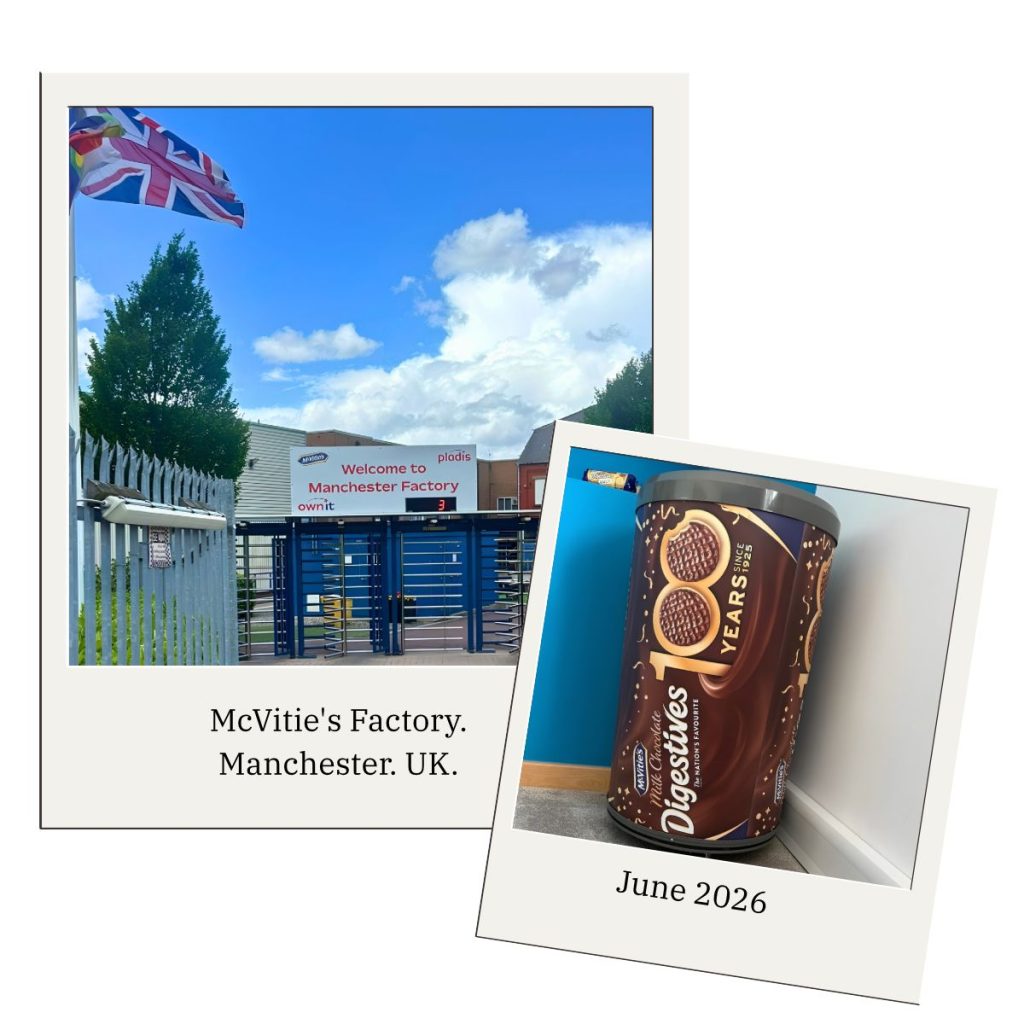
No matter the country —in this case, the United Kingdom— nor the sector —such as biscuits, in this case McVitie’s—: the challenge of personal organisation remains universal wherever we go.
Some companies believe the solution lies in having nice offices, mindfulness classes, or free coffee. Others, more forward-thinking, like PLADIS, know that the real solution involves transforming ways of working and organising — and that requires investing in helping their leaders achieve it. Even factory leaders, capable of managing thousands of people, acknowledge that if they themselves are not well organised, nothing ends up working, no matter how talented engineers and experienced professionals they may be. This is the co-responsibility on the part of the organisation.
Even so, some managers still consider it “normal” —or blame their environment— to have weeks packed with meetings and endless management of emails, Teams messages, and mobile notifications, with no individual time for what truly matters. And there is much that each person can do to avoid what we call the M&M hamster wheel: meetings, mail, mobile, and Microsoft Teams messages. But let’s be honest: sometimes it is more comfortable —or even more human— to just go with the flow. This is the co-responsibility on the part of the professional.
With that shared effort —from both the company and the individual— it is within our power to improve and aspire to a balanced life between the personal and the professional, whatever our situation may be.
But there is a truth we cannot ignore: those who want balance must earn it. And this requires effort.
Three steps, in that order: learning the keys to personal organisation, conducting an honest self-assessment, and changing certain habits and routines.
It is not easy, although it is far simpler than many university subjects or sporting challenges that many of us face. And the return is incalculable: it directly influences achieving a fulfilling life.